
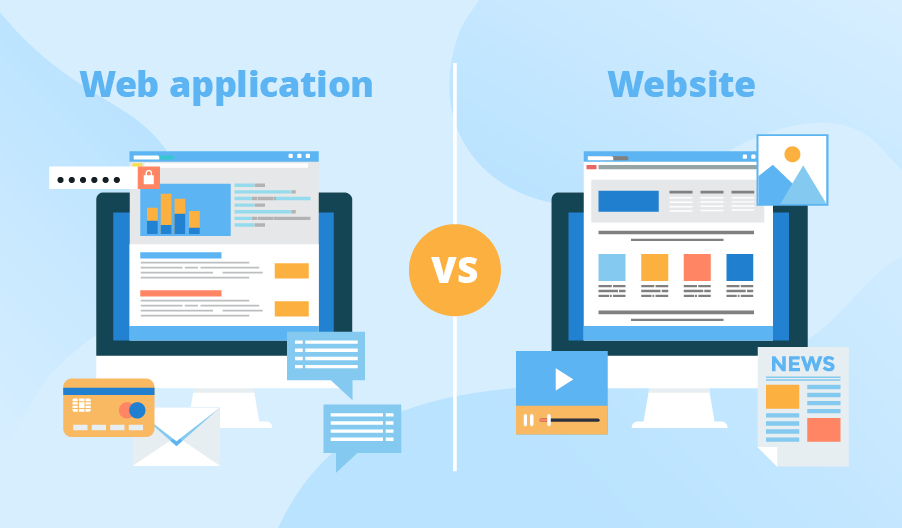
The way people use software has changed dramatically over the last decade. Web applications, once seen as limited alternatives, are now powerful enough to replace many forms of traditional desktop software. From productivity tools to design platforms and enterprise systems, web apps are reshaping how individuals and organizations work.
This shift is driven by faster internet, modern browsers, and cloud infrastructure that make web-based software more capable, flexible, and reliable than ever before.
Understanding the Shift from Desktop to Web
Traditional desktop software requires installation on a specific device, manual updates, and often strict hardware compatibility. Web apps, on the other hand, run directly in a browser and rely on remote servers for processing and storage.
This fundamental difference has led to a broader transformation in software development and usage, favoring accessibility and scalability over device-bound limitations.
Key Reasons Web Apps Are Replacing Desktop Software
1. Cross-Platform Accessibility
Web apps work across operating systems without modification. Whether a user is on Windows, macOS, Linux, or even a tablet, the experience remains consistent.
Benefits include:
- No need for separate versions for different platforms
- Instant access from any modern browser
- Seamless switching between devices
2. Automatic Updates and Maintenance
Desktop software often requires manual downloads or disruptive update cycles. Web apps update centrally, ensuring all users access the latest version immediately.
This reduces:
- Security vulnerabilities from outdated versions
- IT maintenance costs
- Compatibility issues across teams
3. Cloud-Based Collaboration
Modern work relies heavily on collaboration. Web apps are designed for real-time interaction, allowing multiple users to work on the same data simultaneously.
Common collaborative features include:
- Live editing
- Instant syncing
- Version history and rollback options
4. Lower Hardware Dependency
Desktop software may demand high processing power or storage space. Web apps shift much of that workload to the cloud.
As a result:
- Older or lower-spec devices remain usable
- Businesses reduce hardware upgrade expenses
- Performance becomes more consistent across users
5. Scalability for Businesses
Web apps scale easily as organizations grow. Adding new users, storage, or features is typically faster and more cost-effective than deploying new desktop installations.
This flexibility is especially valuable for:
- Startups experiencing rapid growth
- Remote or distributed teams
- Businesses with fluctuating workloads
Security Improvements in Modern Web Apps
Early web applications faced criticism for weak security. Today, this concern has largely been addressed through advanced encryption, secure authentication, and centralized security management.
Key security advantages include:
- Encrypted data transmission
- Centralized access control
- Faster deployment of security patches
In many cases, web apps now meet or exceed the security standards of traditional desktop software.
Performance: Closing the Gap
Historically, desktop software outperformed web apps in speed and responsiveness. Advances in browser technology, caching, and server-side processing have significantly narrowed this gap.
Modern web apps now handle:
- Complex data processing
- Rich multimedia content
- Advanced user interfaces
For most everyday and professional tasks, performance differences are no longer noticeable.
When Desktop Software Still Makes Sense
Despite the rapid rise of web apps, desktop software has not disappeared entirely. Certain scenarios still favor traditional installations.
These include:
- Offline-first environments with limited internet access
- Highly specialized hardware-dependent applications
- Tasks requiring extremely low-latency processing
However, even in these cases, hybrid solutions that combine desktop and web technologies are becoming more common.
The Future of Software Is Browser-Based
The trend toward web applications shows no signs of slowing down. As browsers become more powerful and internet access more reliable, the advantages of web apps continue to grow.
Organizations increasingly prioritize tools that are flexible, collaborative, and easy to maintain, all of which align perfectly with the web-based model.
Frequently Asked Questions (FAQ)
1. Are web apps suitable for professional and enterprise use?
Yes, modern web apps are widely used in professional and enterprise environments due to their scalability, security, and collaboration features.
2. Do web apps require constant internet access?
Most web apps rely on internet connectivity, but many now offer limited offline functionality through local caching and synchronization.
3. Are web apps less secure than desktop software?
Not anymore. With encryption, secure authentication, and centralized updates, web apps can be just as secure, if not more secure, than desktop applications.
4. Can web apps replace creative and design software?
Many creative tasks can now be performed in web apps, though highly specialized workflows may still benefit from desktop tools.
5. How do web apps reduce costs for businesses?
They lower expenses by minimizing hardware requirements, reducing IT maintenance, and eliminating the need for manual software deployment.
6. What role do browsers play in the success of web apps?
Modern browsers support advanced technologies that enable rich interfaces, fast performance, and secure execution of complex applications.
7. Will desktop software disappear completely?
Desktop software is unlikely to vanish entirely, but its role will continue to shrink as web apps become more capable and widely adopted.
