
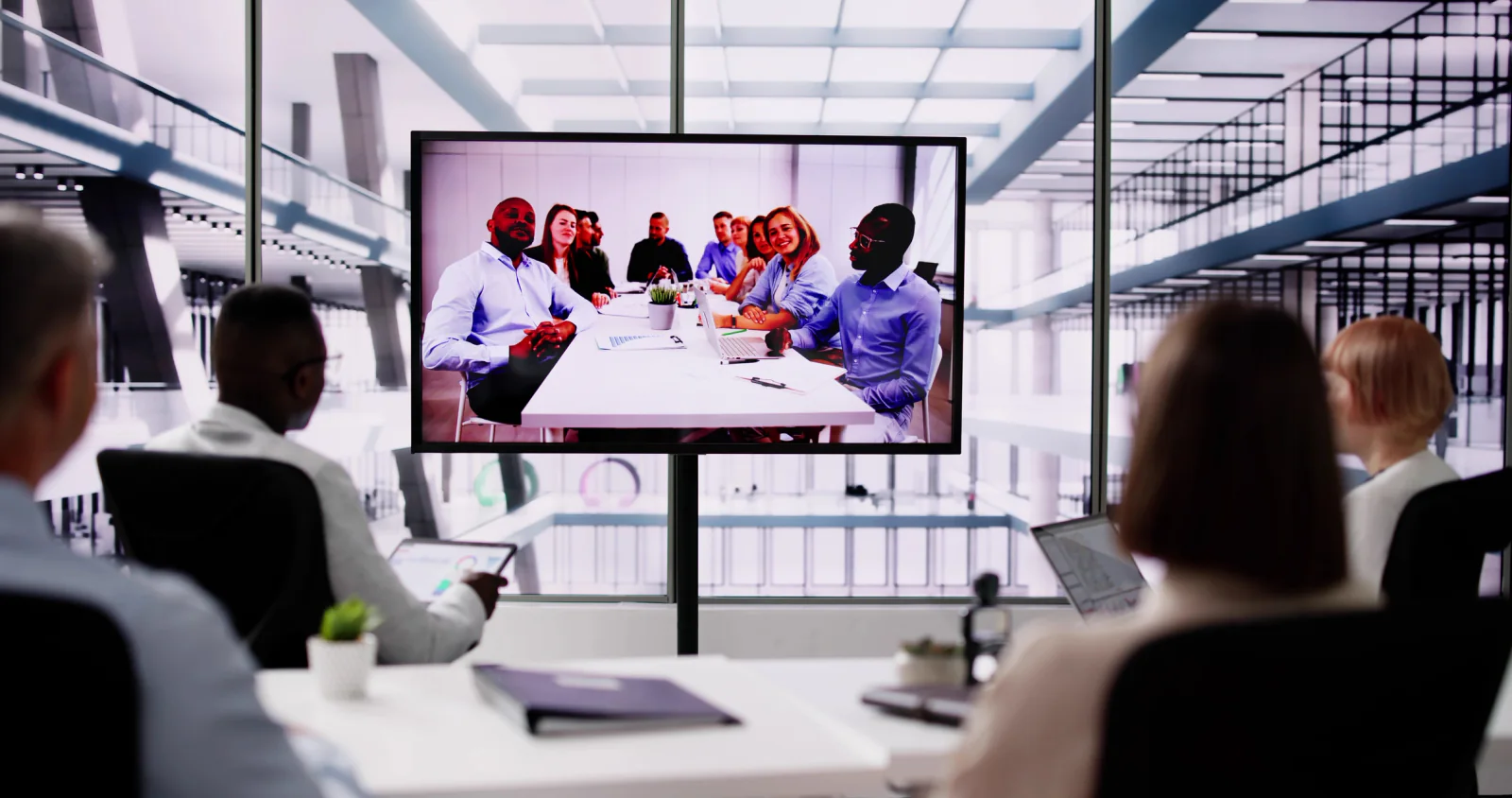
There’s a moment in every event planner’s career when a single screen makes or breaks the room. A product launch where the demo video stutters on a tired old monitor. A conference keynote where half the audience squints at a screen two sizes too small. A trade show stand that blends into the background because the visuals simply aren’t big enough to stop people walking past. Increasingly, the answer to these problems isn’t buying more kit — it’s tv rentals.
Short-term access to high-quality, large-format displays has become one of the most practical decisions an events or marketing team can make. Rather than sinking capital into equipment that will spend most of its life in a storeroom, businesses are opting to hire exactly what they need, when they need it, and return it once the job is done. This shift is particularly noticeable around big screen tv rental solutions, where the cost of ownership versus the cost of a single event simply doesn’t add up in favour of buying.
The Real Cost of Owning Display Equipment
On paper, purchasing a large-format television or display feels like the “safe” option. In practice, it often becomes an expensive liability. Screens depreciate quickly, technology moves fast, and a display that was cutting-edge eighteen months ago can look dated next to what a competitor rolls out at the same trade show.
There’s also the question of storage and transport. A 75-inch or 85-inch screen isn’t something you casually stack in a cupboard between events. It requires:
- Secure, climate-controlled storage
- Protective flight cases for transport
- Dedicated staff time to pack, unpack, and test before every use
- Insurance cover for accidental damage in transit
When you add up storage costs, depreciation, and the staff hours spent managing equipment nobody uses for 350 days of the year, the maths rarely favours ownership — especially for organisations that only need a screen a handful of times annually.
Matching the Screen to the Occasion
One of the underrated benefits of renting is flexibility in sizing and specification. A boardroom briefing calls for a different setup entirely than a 500-person conference hall or an outdoor brand activation. Buying one screen means compromising on every occasion that doesn’t match its size or brightness rating.
With a rental model, event teams can select:
- Compact displays for meeting rooms and small briefings
- Ultra-large formats for keynote stages and exhibition halls
- High-brightness screens suited to daylight or outdoor conditions
- Video wall configurations for immersive brand experiences
This kind of tailored approach means every event gets the right visual impact without the business having to own a fleet of screens covering every possible scenario. For organisations weighing up their options, it’s worth exploring a dedicated large-format display hire service to understand the range of specifications typically available on short notice.
Speed of Deployment Matters More Than Ever
Modern events are planned on tighter timelines than they were even five years ago. Marketing teams are increasingly asked to turn around activations, launches, and internal briefings within days rather than months. Sourcing, purchasing, and configuring equipment from scratch simply doesn’t fit that pace.
This is where established hire providers earn their keep. A well-run rental process typically includes:
- Same-day or next-day delivery for urgent bookings
- Pre-configured, tested equipment ready to plug in and use
- Technical support available for setup and troubleshooting
- Collection and removal handled without adding to the event team’s workload
For time-pressed marketing and events professionals, this speed of turnaround is often the single biggest reason to choose rental over purchase.
Sustainability Is Becoming a Genuine Factor
It’s no longer just a nice-to-have line in a sustainability report — clients, staff, and stakeholders are increasingly asking pointed questions about environmental impact. Manufacturing a large display consumes significant resources, and equipment that sits idle for most of its lifespan represents a poor return on that environmental investment.
Rental models support a circular approach: the same screen is used across dozens of events by different organisations rather than each business manufacturing and later disposing of its own equipment. For companies under pressure to demonstrate genuine sustainability credentials — not just marketing language — this shift in procurement thinking is becoming part of a broader conversation about responsible resource use.
Budgeting Predictability for Finance Teams
Finance departments tend to like rental models for a reason that has nothing to do with technology: predictability. A hire cost is a known, fixed line item tied to a specific project or event. Ownership, by contrast, comes with unpredictable costs — repairs, replacement parts, eventual disposal, and the risk of a screen failing at the worst possible moment with no backup available.
Businesses that run events regularly are also finding that rental spend is easier to allocate against specific budgets or client projects, rather than sitting as a depreciating capital asset on the balance sheet that has to be justified separately.
What to Look for in a Rental Partner
Not all equipment hire experiences are equal, and the difference usually shows up when something goes wrong rather than when everything goes right. Before committing to a provider, it’s worth checking:
- How quickly they can respond to last-minute changes in screen size or quantity
- Whether technical support is included, or charged separately
- What backup arrangements exist if a unit fails on the day
- Clarity around delivery, collection, and any additional site access requirements
Asking these questions upfront avoids awkward surprises when an event is already underway and there’s no room for delay.
Final Thoughts
The shift towards tv rentals reflects a broader change in how businesses think about equipment procurement: access over ownership, flexibility over fixed assets, and speed over stockpiling. For events teams juggling variable audience sizes, tight deadlines, and growing sustainability expectations, hiring the right screen for the occasion is proving to be the more sensible long-term strategy — even though, ironically, it’s built around short-term arrangements. As event formats continue to evolve, expect this rental-first mindset to become the default rather than the exception.
